Entomology has a long history in South Africa, and while old specimens give insight into many historical patterns, they are not particularly useful for DNA analysis. From 7 to 24 October 2019, a field trip was conducted to several sites to look for fresh material of rare or poorly sampled Diptera species. The aim of the trip was to re-visit several localities from previous expeditions, such as the Lund University expedition in the 1950s and Brian Stuckenberg’s expedition in the 1960s. Fresh specimens collected from the historical type localities could then be used for DNA analysis.
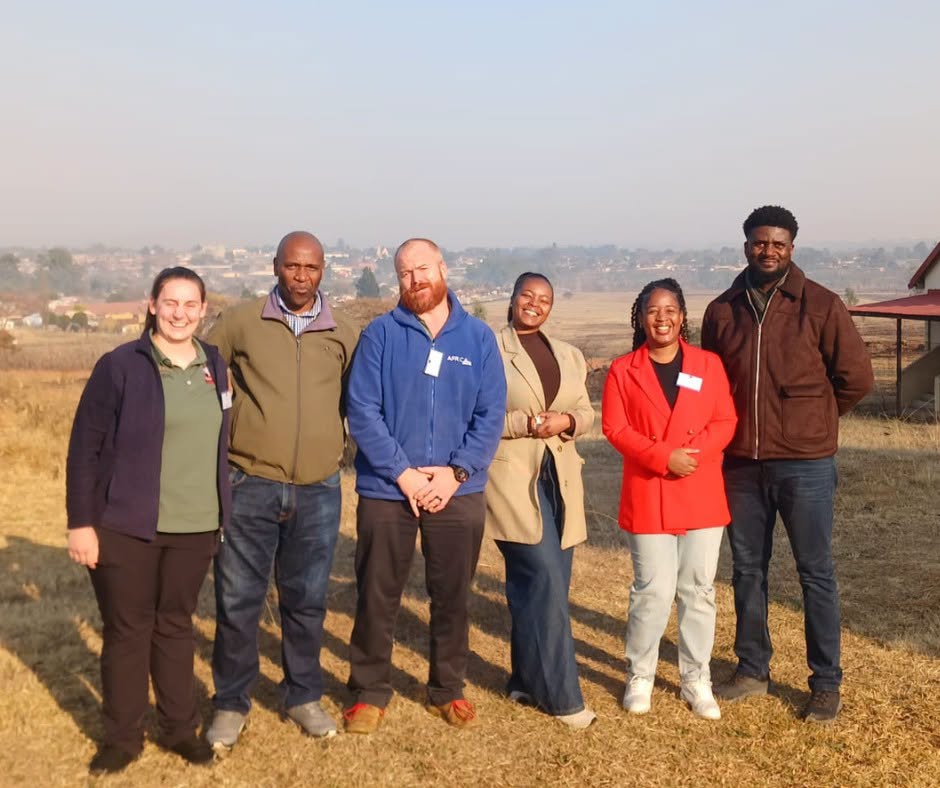
High altitude sites in the Eastern Cape and KwaZulu-Natal provinces were the focus of the trip. The collection team, comprising PINDIP partners Kurt Jordaens (Royal Museum for Central Africa, Belgium) and John Midgley (KwaZulu-Natal Museum, South Africa), as well as Terence Bellingan (Albany Museum, South Africa) and Burgert Muller (National Museum, South Africa), visited several sites in the southern Drakensberg. While some areas in the Drakensberg have been well collected, more inaccessible sites have received less attention. The areas around Lundean’s Nek, Naude’s Nek, Ongeluksnek Nature Reserve, Cobham Nature Reserve and Lotheni Nature Reserve were visited. These out of the way sites yielded many of the same species as the better surveyed sites, but also some rarer species that were unexpected.
Unfortunately, the expedition was a bit early in the season which, along with the late arrival of the summer rains, resulted in fewer overall specimens than expected. However, the collections of rarer species made the trip worthwhile. Plans are already underway for a repeat expedition in early 2021 to collect additional topotypes for DNA analysis.
The expedition was funded by JRS Biodiversity Foundation and Belgian Development Cooperation.